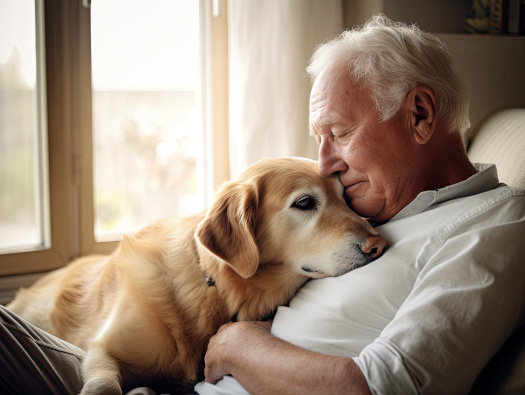
Pet therapy offers seniors a unique path to better physical, emotional, and social wellbeing through structured interactions with trained animals. Research consistently shows these programs can significantly enhance quality of life for older adults in various care settings.
Enhanced Emotional Wellbeing
Pet therapy provides powerful emotional benefits that can transform a senior’s daily experience. Interacting with therapy animals triggers the release of endorphins and oxytocin, naturally elevating mood and reducing feelings of depression and anxiety.
The unconditional love and nonjudgmental presence of therapy animals creates a safe emotional space for seniors. Many participants report feeling more relaxed and content after pet therapy sessions, with some experiencing reduced agitation and better overall emotional stability.
If you have a senior loved one who needs help maintaining a high quality of life while aging in place, reach out to Assisting Hands Home Care, a leading provider of home care Arlington families can trust. Our caregivers help seniors focus on healthy lifestyle habits such as eating nutritious foods, exercising regularly, and maintaining strong social ties, and we offer mentally stimulating activities that can boost cognitive health and delay the onset of dementia.
Better Physical Health Outcomes
Regular interaction with therapy animals can lead to measurable advances in physical health markers for seniors:
- Lower blood pressure – Petting animals has been shown to reduce both systolic and diastolic blood pressure.
- Decreased heart rate – The calming presence of animals naturally slows cardiovascular activity.
- Enhanced motor skills – Brushing, petting, and playing with animals helps seniors maintain hand-eye coordination.
- Increased physical activity – Walking therapy dogs or engaging in play encourages gentle exercise.
These physical benefits are particularly valuable for seniors managing chronic conditions like hypertension or cardiovascular disease.
Social Connection and Reduced Isolation
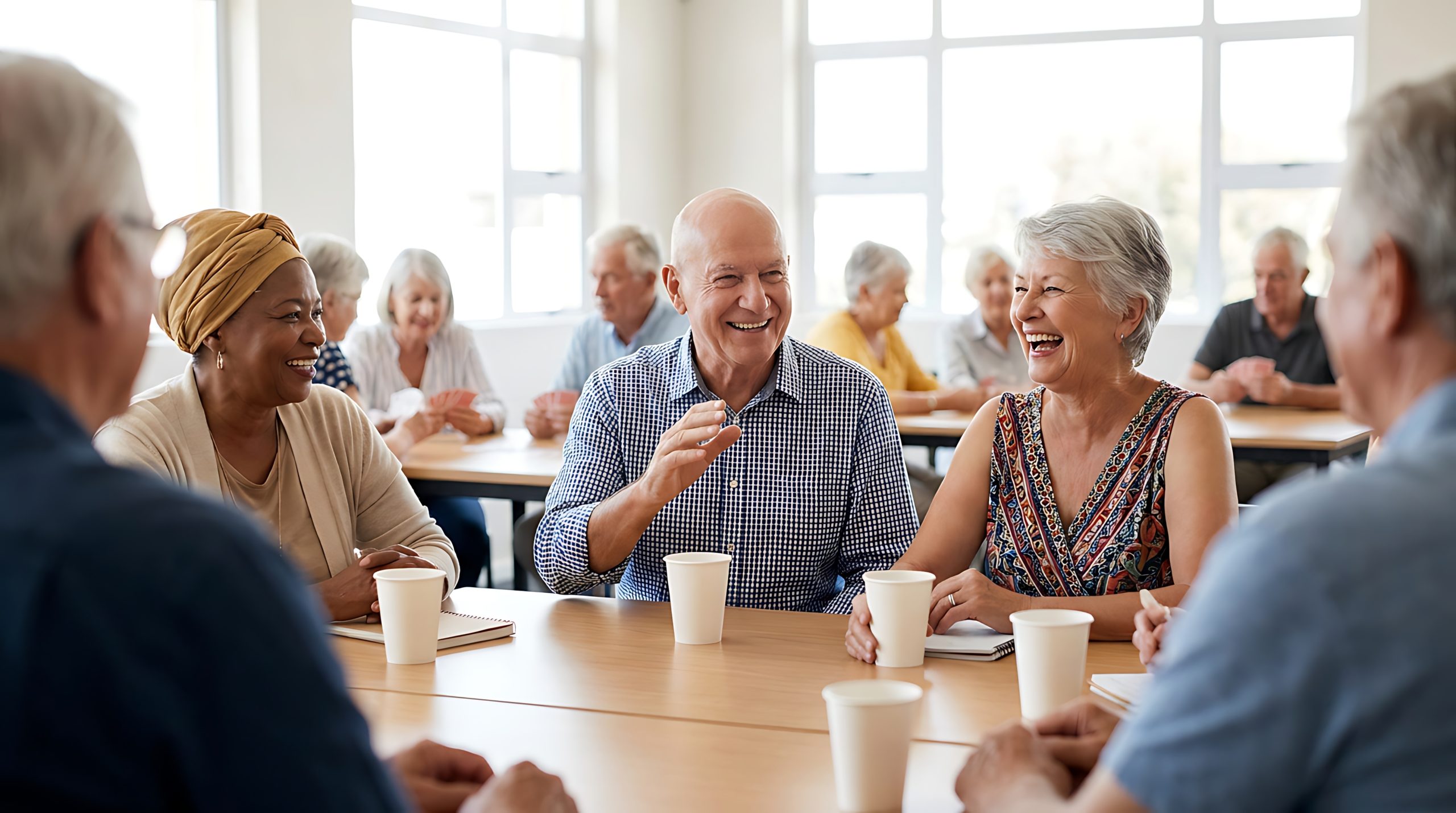
Pet therapy sessions often become social events that bring seniors together around shared experiences. Participants frequently bond over their love of animals, sharing stories about their own pets or childhood memories involving animals.
Therapy animals serve as natural conversation starters, helping shy or withdrawn seniors engage more readily with caregivers, family members, and fellow residents. This increased social interaction combats loneliness and builds meaningful relationships within care communities.
Cognitive Stimulation and Memory Enhancement
Interacting with therapy animals provides valuable cognitive exercise that can help seniors maintain mental sharpness. Seniors must remember the animals’ names, recall proper petting techniques, and engage in basic problem-solving during activities.
Pet therapy sessions often include structured activities like teaching animals simple commands or participating in animal-related games. These activities stimulate memory recall and keep the mind actively engaged. For seniors with dementia, familiar animals can sometimes trigger positive memories and temporarily boost cognitive function.
Aging in place can present a few challenges for seniors living with dementia. However, with professional Arlington dementia care, they can still live independently at home. Families can rely on Assisting Hands Home Care to provide their elderly loved ones with mental and social stimulation, timely medication reminders, assistance with meal prep, and much more. Our caregivers are available around the clock to help your loved one live a happier and healthier life.
Stress Reduction and Relaxation Benefits
The presence of therapy animals creates a calming environment that naturally reduces stress hormones like cortisol. Seniors often experience immediate relaxation during pet therapy sessions, with effects that can last well beyond the visit.
The rhythmic nature of petting an animal provides a meditative quality that helps seniors focus on the present moment rather than dwelling on health concerns or other worries. This mindfulness aspect of pet therapy contributes to overall stress management and emotional regulation.
Many seniors also report better sleep quality following regular pet therapy sessions, as the stress-reducing effects carry over into their rest periods.
Therapy pets can be amazing companions for older adults living with a wide variety of health issues. Certain age-related conditions can make it more challenging for seniors to age in place safely and comfortably, but Arlington live-in care experts are available around the clock to help seniors manage their health. Whether your loved one is living with dementia or recovering from a stroke, you can trust the professional caregivers from Assisting Hands Home Care to enhance his or her quality of life. To create a comprehensive in-home care plan for your loved one, give us a call today.