In-home care can support seniors recovering from surgery by providing medication reminders, assisting with personal care, preparing nutritious meals, supporting safe mobility, and providing companionship.
Surgery is physically demanding at any age, but the recovery period often presents the most significant challenge for older adults. Professional in-home care offers a safe bridge between the hospital and full independence, allowing seniors to heal comfortably in their own familiar surroundings while reducing the risk of hospital readmission.
How Do Caregivers Help Seniors Organize Medications During Recovery?
Medication adherence is one of the most important parts of healing after surgery, and caregivers help seniors ensure prescriptions are taken correctly and on schedule. Seniors are often discharged with new prescriptions for pain management, antibiotics to prevent infection, or anticoagulants to prevent blood clots. Managing these new medications alongside existing daily prescriptions can be confusing and overwhelming, especially when a senior is groggy from anesthesia or in pain.
In-home caregivers play a vital role in ensuring medication compliance. While nonmedical caregivers generally don’t administer injections, they provide essential support by:
- Providing timely reminders to take specific dosages
- Reading labels to ensure the correct medication is taken with or without food
- Monitoring the senior for adverse side effects or allergic reactions
- Documenting when medications are taken to prevent missed doses or accidental double-dosing
Why Is Personal Care Assistance Important after Surgery?
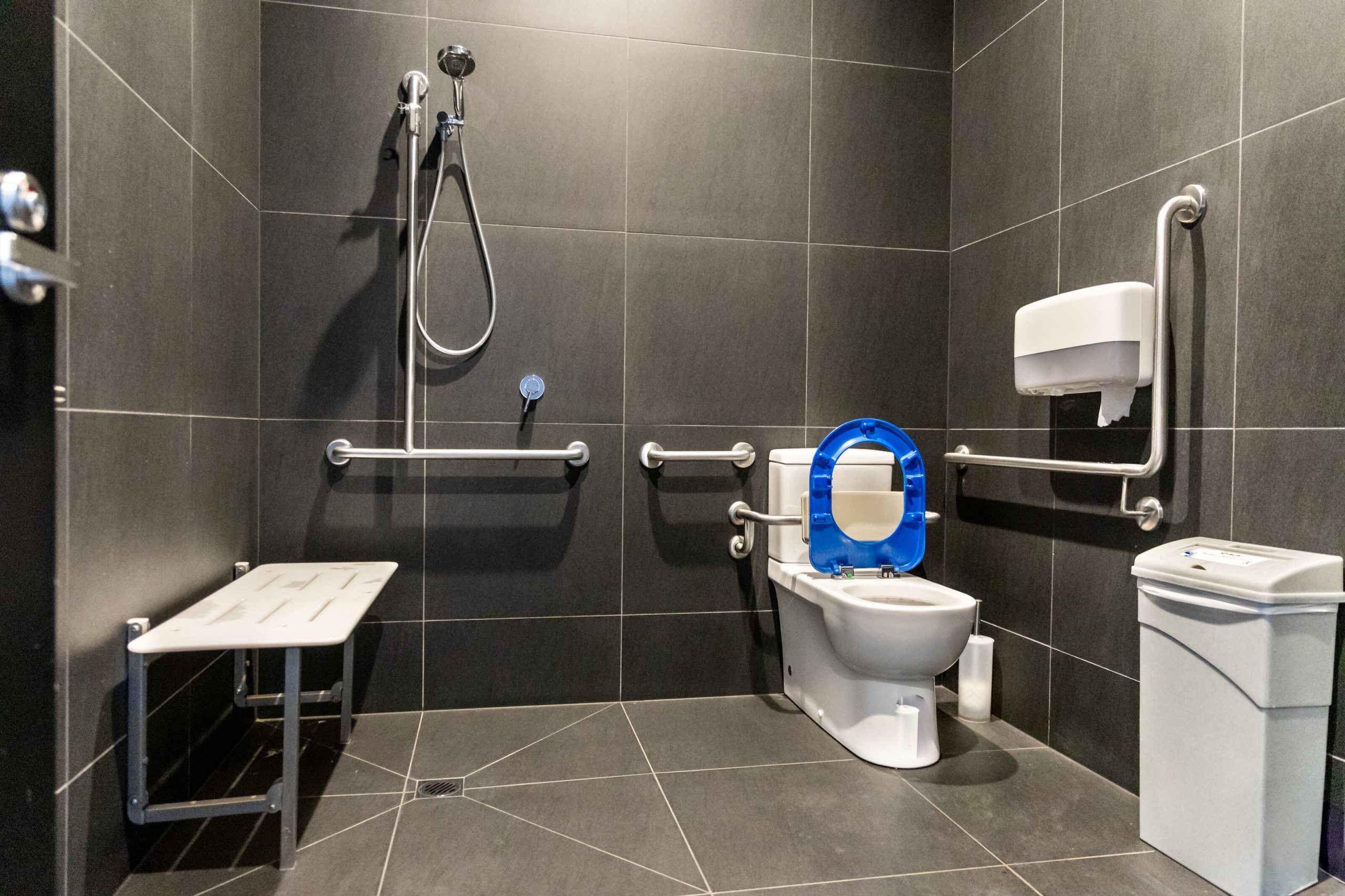
After surgery, simple tasks like showering, dressing, and using the restroom can become dangerous hurdles. Mobility restrictions, surgical incisions that must be kept dry, and general fatigue make self-care difficult. A slip in the shower or a strain while dressing could result in injury or reopen a surgical wound.
In-home caregivers provide dignified assistance with these activities of daily living (ADLs). They help seniors maintain their hygiene without compromising their safety or the integrity of their surgical sites. This support includes sponge baths to protect stitches, assistance with getting dressed in loose-fitting clothing, and physical support during toileting. By handling these physical tasks, caregivers allow seniors to reserve their energy for healing.
Aging adults who require assistance with the tasks of daily living can benefit from reliable home care Arlington families can trust. Assisting Hands Home Care provides families with the high-quality care their elderly loved ones need and deserve. Our caregivers are trained to help seniors prevent and manage serious illnesses and encourage them to make healthier decisions as they age.
How Does Proper Nutrition Support Healing after Surgery?
Proper nutrition is the fuel the body needs to repair tissue, fight off infection, and regain strength. However, standing over a stove to cook a healthy meal is often impossible for a senior recovering from a major procedure like a hip replacement or cardiac surgery. Consequently, many seniors living alone might rely on processed convenience foods or skip meals entirely, which can stall recovery.
Caregivers ensure nutritional needs are met by handling grocery shopping and meal preparation. They can prepare heart-healthy, protein-rich meals that align with any dietary restrictions prescribed by the doctor. Furthermore, caregivers encourage proper hydration, which is essential for flushing out anesthesia and preventing dehydration-related complications.
For some families, caring for a senior loved one 24/7 after surgery can be overwhelming. Luckily, Arlington families can rely on overnight care provided by the experienced professionals from Assisting Hands Home Care. We are a trusted name in senior home care, and our caregivers are available around the clock to assist seniors with bathing, transportation, medication reminders, exercise, and much more, allowing families the time they need to focus on other important responsibilities or just take a break.
How Can In-Home Care Reduce the Risk of Falls after Surgery?
Caregivers lower fall risks by assisting with movement and maintaining a safer home environment. The risk of falling increases significantly after surgery due to the usage of pain medications, physical weakness, and balance issues. A fall during the recovery period can be catastrophic, often leading to reinjury and immediate hospital readmission.
In-home care providers act as a safety net for mobility. They assist with transfers, such as moving from the bed to a chair, and provide a steady arm during short walks to encourage circulation. Beyond direct physical support, caregivers also maintain a safe environment by keeping walkways clear of clutter, ensuring rugs are secured, and making sure essential items are within easy reach. This proactive approach to safety allows seniors to regain their mobility confidence gradually.
Why Does Emotional Support Matter during Postsurgical Recovery?
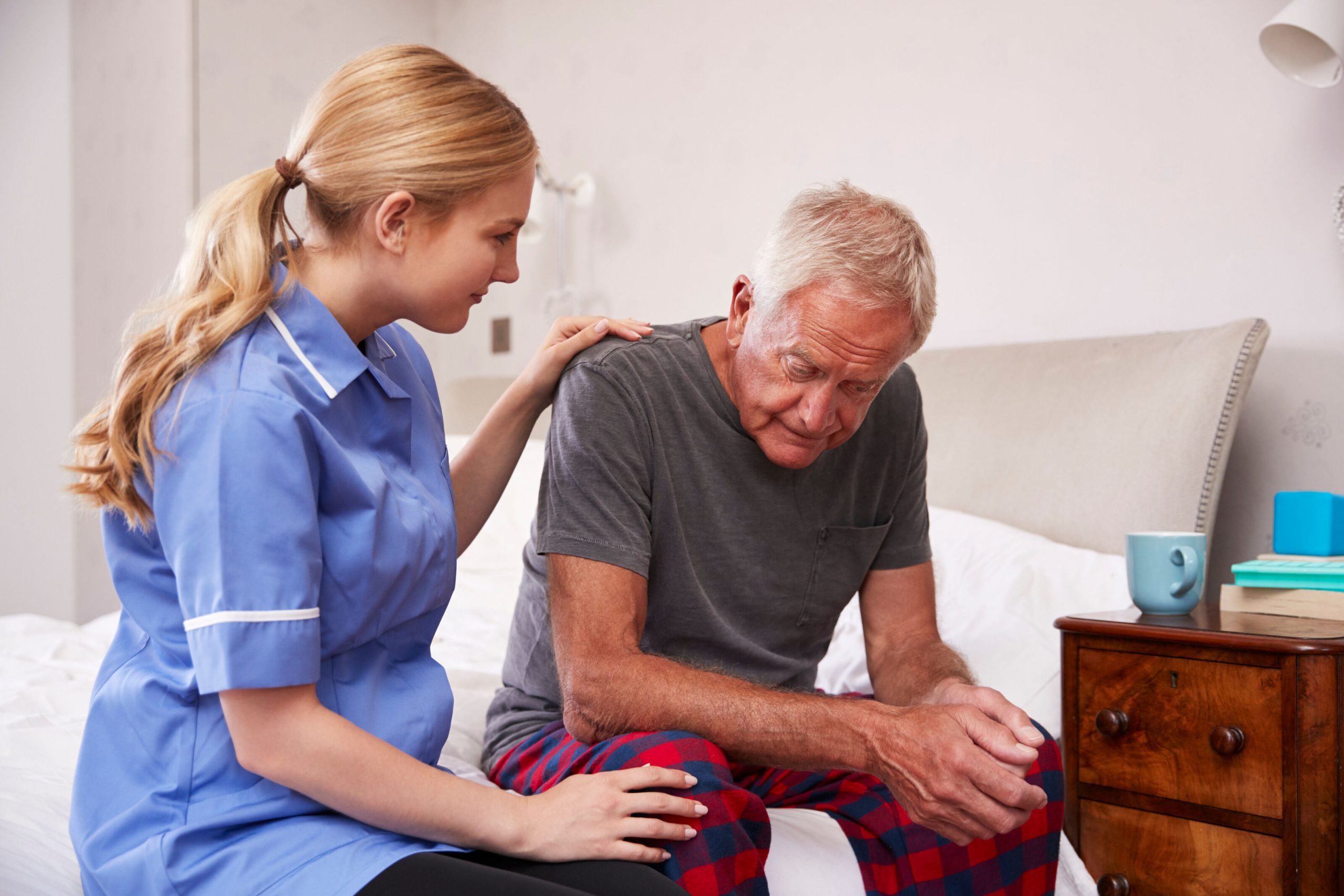
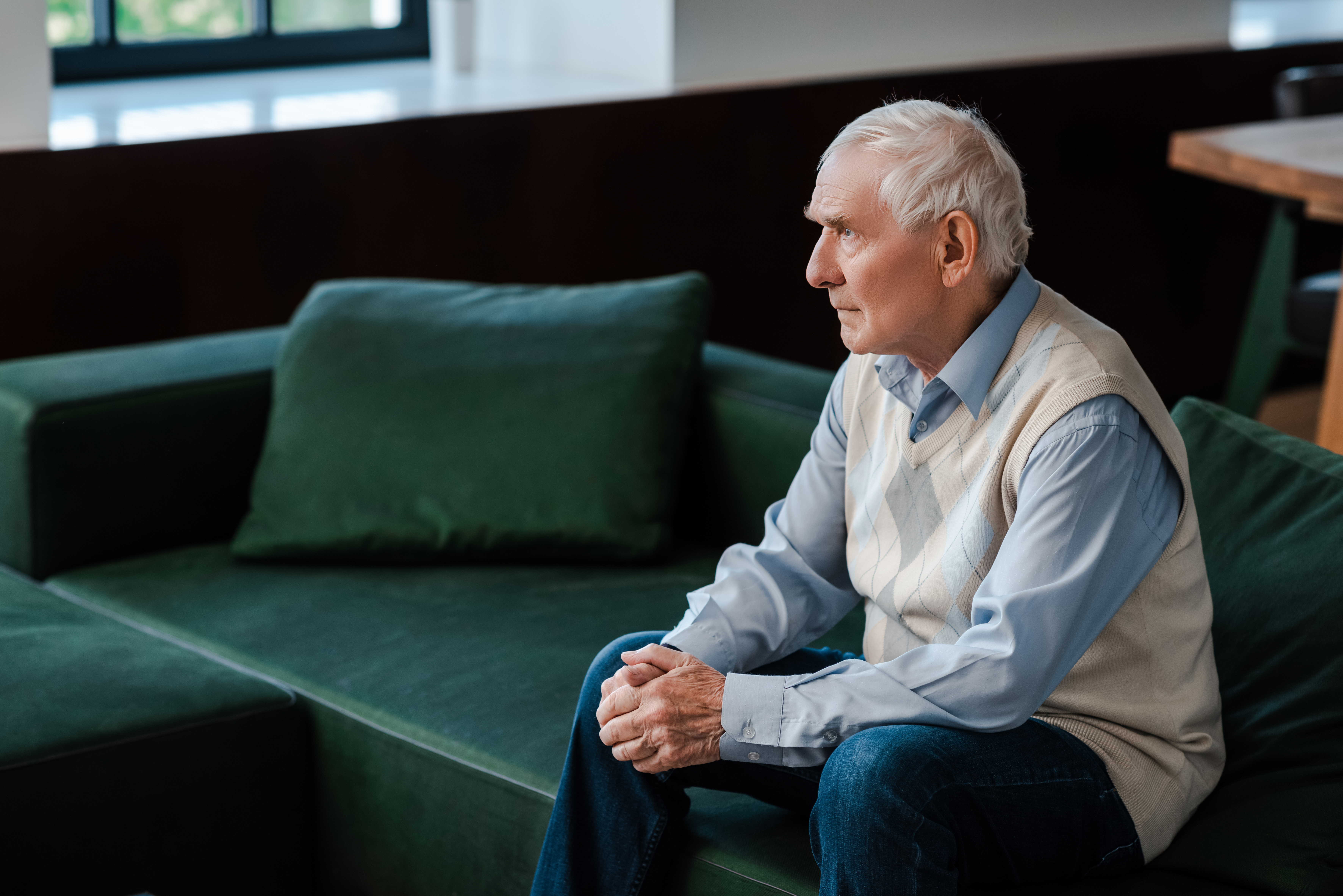
Companionship and emotional encouragement can play a meaningful role in helping seniors stay motivated and positive during recovery. The mental aspect of recovery is just as important as the physical. Post-surgery recovery can be isolating, leading to feelings of loneliness, anxiety, or depression, all of which can negatively impact the immune system and slow down the healing process.
Having a compassionate caregiver present provides vital social interaction. Whether it’s playing a game of cards, having a conversation over tea, or simply having a reassuring presence in the house, companionship lifts the senior’s spirits. This emotional support helps seniors maintain a positive outlook, which is a key factor in a successful and speedy recovery.
Hiring a professional caregiver is a great way to support your loved one’s recovery process. Whether you need respite from your caregiving duties or your aging loved one needs 24-hour care in Arlington, Assisting Hands Home Care can meet your family’s care needs. Our dedicated caregivers are available around the clock to provide transportation to doctor’s appointments, ensure seniors take their prescribed medications, and help with a variety of tasks in and outside the home. To learn about our high-quality in-home care services, give us a call today.
Frequently Asked Questions
What is post-surgery home care, and who is it for?
+
Post-surgery home care provides support for individuals recovering from surgery, helping them heal safely and comfortably at home.
What services are included in post-surgery home care?
+
Services may include wound care, medication reminders, mobility assistance, meal preparation, and light housekeeping.
How can home care services aid in a faster recovery after surgery?
+
Caregivers ensure proper rest, medication adherence, and a safe environment, which are essential for a smooth recovery.
Can post-surgery home care be customized to my recovery needs?
+
Yes, care plans are tailored to address the specific requirements of your surgery and recovery process.
How do caregivers support mobility after surgery?
+
Caregivers assist with walking, transfers, and exercises prescribed by healthcare professionals to promote safe movement and recovery.