Selecting and using assistive devices effectively in home caregiving requires evaluating your senior loved one’s specific daily limitations and matching them with practical safety-enhancing tools. By focusing on the physical layout of the home and your loved one’s daily routine, you can significantly improve household accessibility. Careful selection and proper setup foster greater independence and reduce the risk of preventable accidents in the home.
How Do You Determine Which Assistive Devices Are Needed?
To identify the right tools, observe your loved one’s daily routine to pinpoint specific physical challenges, such as getting out of bed or standing in the shower
- Evaluate high-risk areas like bathrooms, stairs, and kitchens for potential fall hazards.
- Ask your loved one what tasks feel the most physically draining or unsafe.
- Focus on nonclinical daily living aids that promote physical stability and ease of movement.
One of the most challenging tasks of helping an elderly relative age in place safely and comfortably is researching agencies that provide home care. Families can turn to Assisting Hands Home Care for reliable, high-quality Arlington home care for aging adults. We offer 24-hour care for seniors who require extensive assistance, and we also offer respite care for family caregivers who need a break from their caregiving duties.
What Are the Most Common Devices for Bathroom Safety?
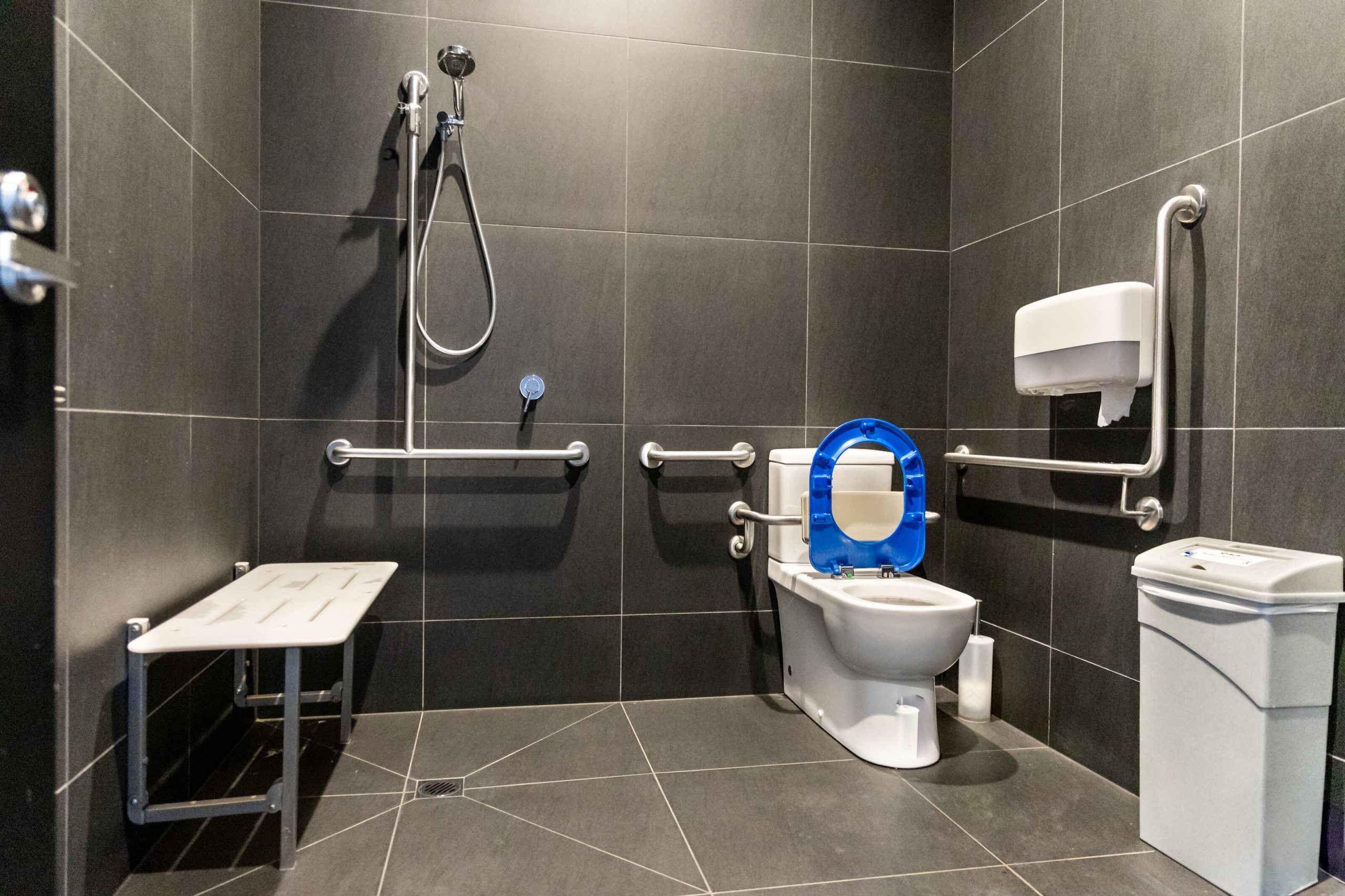
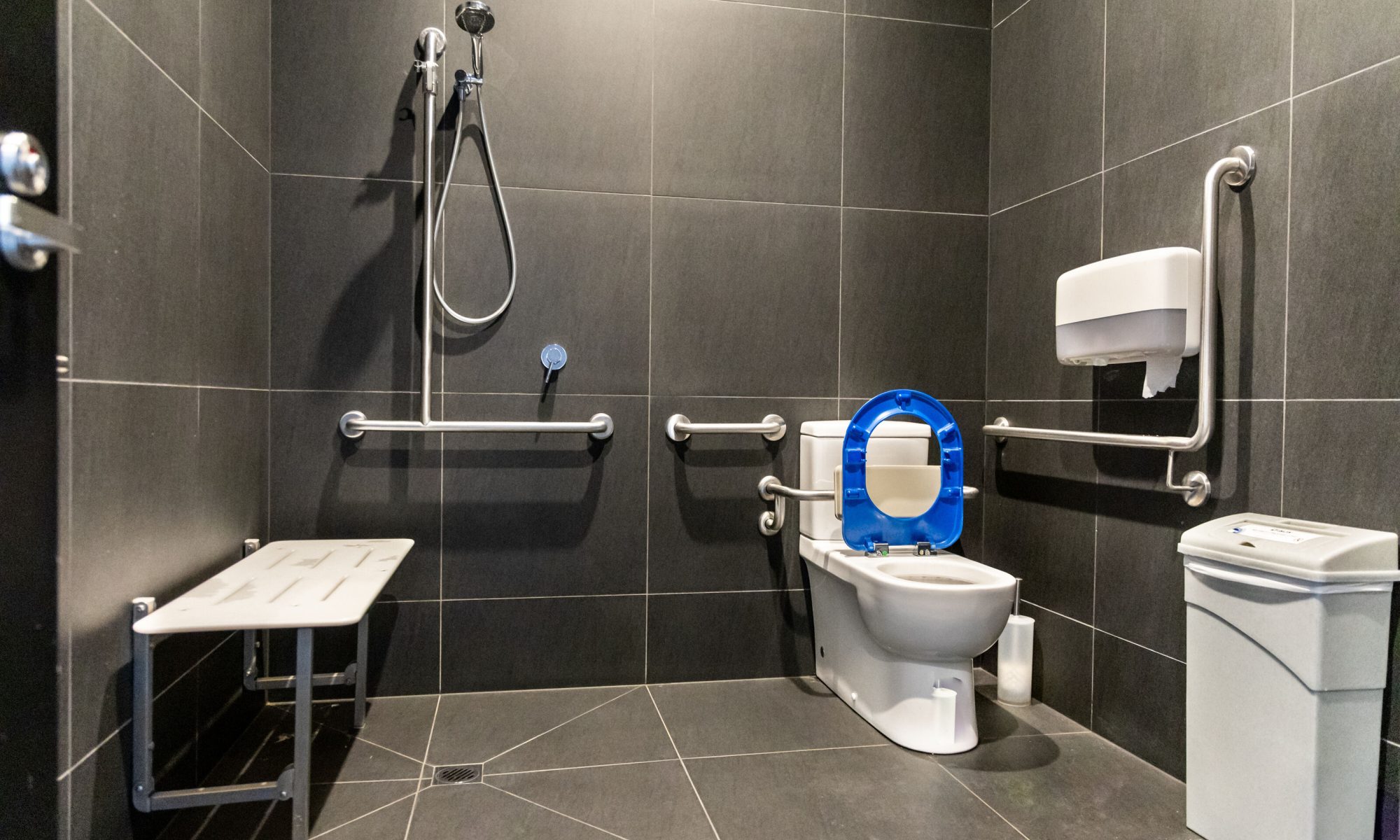
Bathroom safety devices are essential for preventing slips and falls on wet surfaces. Caregivers should focus on installing sturdy water-resistant equipment that supports balance during personal hygiene routines.
- Grab bars – Securely mounted near the toilet and inside the shower for reliable handholds
- Shower chairs – Nonslip seating that allows your loved one to wash without standing
- Raised toilet seats – Adding height to the bowl to reduce the physical strain of sitting down and standing up
How Can You Improve Bedroom and Living Room Accessibility?
Improving accessibility in resting areas involves arranging furniture to create clear pathways and adding specific tools to assist with sitting and standing. Devices in these rooms focus on minimizing the effort required to transition between resting and moving.
- Bed rails – Provide a stable grip for repositioning or getting out of bed.
- Lift chairs – Add a motorized recliner that gently tilts forward to help your loved one stand up safely.
- Overbed tables – Allow your loved one to eat or read comfortably without stretching or bending.
When it comes to in-home care, using adaptive tools can work wonders. However, it’s best not to forget the benefits of hiring professional caregivers. Whether you need respite from your caregiving duties or your aging loved one needs the best 24-hour care in Arlington or a nearby area, Assisting Hands Home Care can meet your family’s care needs. Our dedicated caregivers are available around the clock to provide transportation to doctor’s appointments, ensure seniors take their prescribed medications, and help with a variety of tasks in and outside the home.
How Do You Ensure Proper Installation and Safe Usage?
Proper installation and regular maintenance are critical to ensuring assistive devices function safely over time. Caregivers must follow manufacturer guidelines strictly and frequently test the equipment for stability.
- Anchor weight-bearing devices directly into wall studs rather than drywall.
- Check for loose screws, worn rubber tips, or fraying straps on a weekly basis.
- Clear the surrounding floor space of rugs and clutter to prevent tripping near the new equipment.
Living independently is important for seniors who want to maintain a high quality of life. For some, this simply means receiving help with tasks that have become more challenging to manage over time. Even when families have the best intentions, they may not have the time to provide the care their elderly loved ones need and deserve. If your loved one needs help to age in place as independently as possible, reach out to Assisting Hands Home Care, a trusted provider of respite, 24-hour, and overnight care Arlington seniors can depend on. If you need compassionate professional care for your loved one, call one of our friendly Care Specialists today
Frequently Asked Questions
How often should you inspect home assistive devices for wear and tear?
+
You should inspect all daily living aids at least once a month to check for loose bolts, cracks, or worn rubber grips. Regular maintenance ensures the equipment remains safe and fully functional for everyday use.
Where can caregivers purchase reliable daily living aids?
+
Caregivers can purchase these tools from specialized aging-in-place retailers, standard home improvement stores, and reputable online marketplaces. Always look for products with high weight capacities and clear warranty information.
Are suction-cup grab bars safe for long-term use?
+
Suction-cup grab bars are generally only recommended for travel or temporary use because they can easily lose suction and detach from the wall. For permanent home safety, wall-mounted bars anchored securely to studs are highly preferred.
What’s the best way to introduce a new assistive device to a resistant loved one?
+
Introduce the device by highlighting how it will increase personal independence and make daily tasks less exhausting. Encouraging your loved one to try it out in a low-pressure scenario may alleviate concerns and build confidence in using the tool.