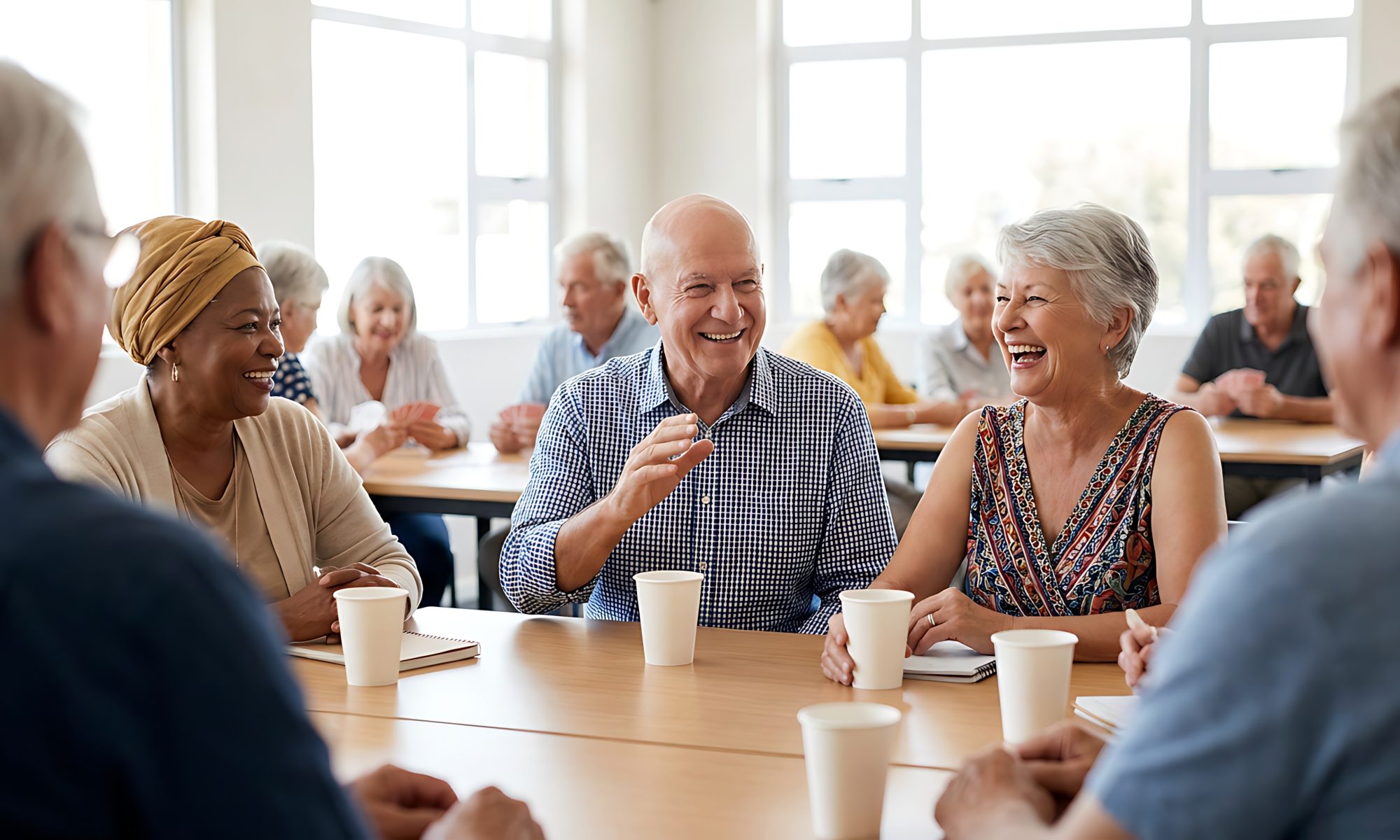
Regular socialization significantly boosts the physical and mental health of seniors receiving home care, reducing the risk of depression, cognitive decline, and chronic illness. Research consistently shows that socially connected older adults live longer, healthier lives, making human connection one of the most powerful tools in senior care.
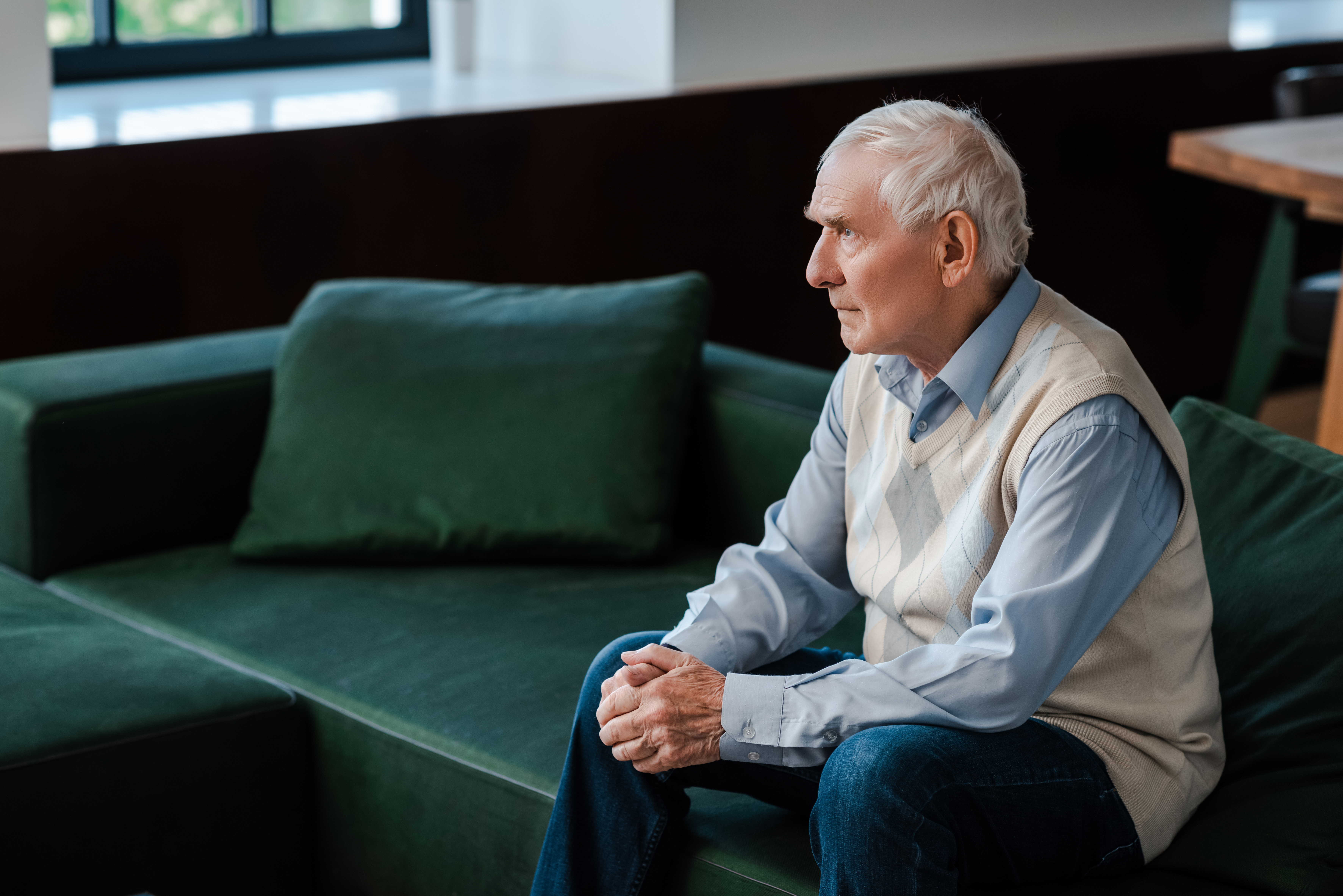
Seniors who receive home care are at heightened risk for social isolation, which directly impacts their overall health and quality of life. Understanding how socialization shapes health outcomes in this population can help caregivers, families, and care coordinators make more informed, person-centered decisions.
How Does Social Isolation Affect the Health of Seniors Receiving Home Care?
Social isolation poses serious health risks for older adults. According to the Centers for Disease Control and Prevention (CDC), social isolation is associated with:
- A 50 percent increased risk of developing dementia
- A 29 percent increased risk of heart disease
- A 32 percent increased risk of stroke
- Higher rates of depression, anxiety, and chronic stress
- Weakened immune function and slower physical recovery
Seniors receiving home care are particularly vulnerable because they spend more time at home and have fewer organic opportunities for social interaction.
Aging in place can present a few unique challenges for older adults. Some only require part-time assistance with exercise or meal preparation, while others are living with serious illnesses. If your elderly loved one needs 24-hour home care, turn to Assisting Hands Home Care Arlington. Our caregivers encourage seniors to focus on eating nutritious foods, exercising on a regular basis, maintaining strong social ties, and other lifestyle factors known to increase longevity.
What Are the Physical Health Benefits of Socialization for Seniors?
Consistent social engagement produces measurable physical health increases in older adults. Key benefits include:
- Lower blood pressure – Regular social interaction is linked to reduced cardiovascular stress.
- Stronger immune response – Socially active seniors show better resistance to infection and illness.
- Enhanced sleep quality – Social engagement supports healthier sleep patterns, which aids physical recovery.
- Greater physical activity – Group activities and social visits encourage movement, reducing the risk of falls and mobility decline.
How Does Socialization Support Mental and Cognitive Health in Older Adults?
Human connection is one of the strongest protective factors against cognitive and emotional decline. For seniors in home care, socialization:
- Reduces symptoms of depression and loneliness
- Enhances cognitive health by keeping the brain actively engaged
- Boosts mood and emotional resilience through a sense of belonging
- Provides mental stimulation through conversation, shared activities, and storytelling
According to the National Institute on Aging, older adults who maintain strong social ties show slower rates of memory loss compared to those who are socially isolated.
What Types of Social Activities Are Most Beneficial for Seniors at Home?
Not all social interactions look the same, and many can be tailored to a senior’s mobility, interests, and energy levels. Effective options include:
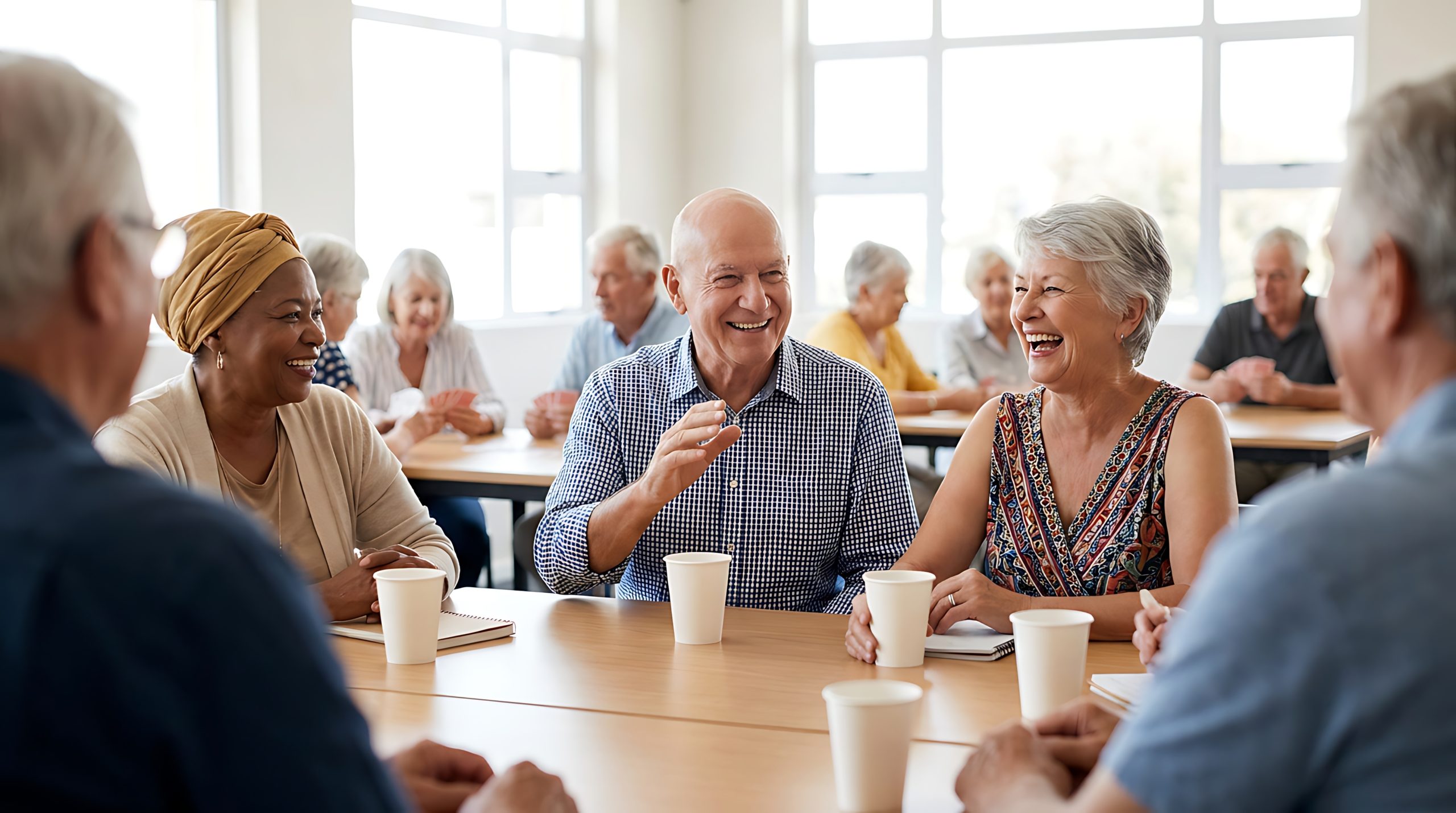
- In-person visits from family members, friends, or neighbors
- Video calls using platforms like FaceTime or Zoom to maintain long-distance relationships
- Community programs such as senior center outings, religious gatherings, or hobby groups
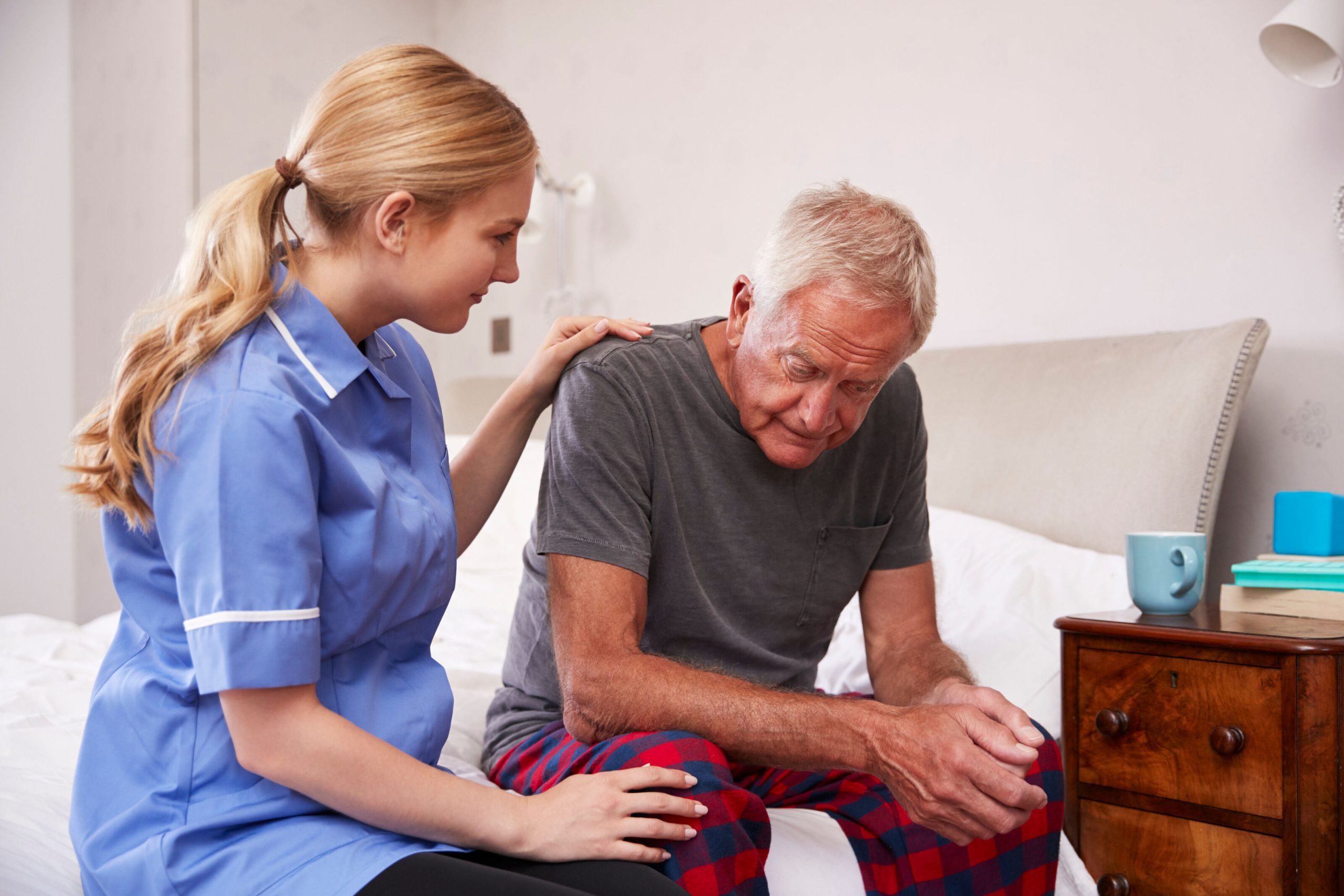
- Caregiver companionship that goes beyond physical tasks to include meaningful conversation and shared activities
- Intergenerational programs that connect seniors with younger community members
How Can Home Care Providers Support Better Socialization for Seniors?
Home care providers play a direct role in reducing isolation. Practical strategies include:
- Scheduling consistent social visits as part of the care plan
- Encouraging family members to maintain regular contact
- Connecting seniors with local community resources and virtual programs
- Providing companionship care that prioritizes emotional engagement
- Monitoring for signs of withdrawal or worsening loneliness and adjusting care accordingly
Respite and overnight home care can be wonderful solutions for Arlington families when their aging loved ones need companionship and socialization a few hours a week or just need minor assistance with daily household tasks. Our caregivers can encourage your loved one to eat well, exercise regularly, get plenty of mental and social stimulation, and focus on other lifestyle factors that promote longevity. At Assisting Hands Home Care, we thrive on helping seniors maintain their independence while living in the comfort of home.
Not every senior has the same care needs, which means they don’t all need the same type of home care service in Arlington and surrounding communities. Families can rely on Assisting Hands Home Care to provide individualized care plans to meet their elderly loved ones’ unique care needs. Our caregivers help seniors focus on healthy lifestyle habits such as eating nutritious foods, exercising regularly, and maintaining strong social ties, and we offer mentally stimulating activities that can boost cognitive health and delay the onset of dementia. Call Assisting Hands Home Care today to learn about our high-quality in-home care services
Frequently Asked Questions
How does loneliness differ from social isolation in seniors?
+
Loneliness is the subjective feeling of being alone, while social isolation refers to an objective lack of social contact. Seniors can feel lonely even with people around them, and socially isolated seniors don’t always report feeling lonely.
How often should seniors receiving home care socialize to see health benefits?
+
Research suggests that even a few meaningful social interactions per week can produce noticeable increases in mood, cognitive function, and overall wellbeing.
Can virtual or phone-based socialization be as effective as in-person contact?
+
Virtual and phone-based interactions offer real benefits, particularly for seniors with limited mobility, though in-person contact tends to have a stronger positive effect on mental health outcomes.
Are some seniors more at risk for social isolation than others?
+
Yes. Seniors who live alone, have limited mobility, have recently lost a spouse, or live in rural areas face significantly higher risks of social isolation and its associated health consequences.
What warning signs indicate a senior may be becoming socially isolated?
+
Common signs include withdrawal from previously enjoyed activities, reduced communication with family or friends, changes in appetite or sleep, and increased expressions of sadness or hopelessness.